Compare Local Roofing Contractors and Set Clear Expectations
Compare local contractors to define project scope, verify experience, and set clear expectations, ensuring you choose the right roofing service for your property.
Roofing contractors handle a range of services related to the protection and integrity of a property's roof. Typical work includes installing new roofing systems, repairing damaged or worn materials, replacing old or deteriorated shingles, and performing routine inspections to identify potential issues. These professionals are also equipped to handle specialized tasks such as waterproofing, venting, and ensuring proper insulation. Understanding the scope of work that a contractor offers helps property owners determine whether they need a straightforward repair or a comprehensive roof replacement, guiding better decision-making for the project's needs.
Clearly defining the scope of roofing work is essential to ensure all parties have aligned expectations and that the project proceeds smoothly. A well-detailed scope outlines specific tasks, materials, and outcomes, reducing the risk of misunderstandings or unexpected issues later on. For property owners, articulating their needs-whether it's fixing a leak, upgrading to more durable materials, or addressing structural concerns-helps in obtaining accurate proposals and selecting the right service provider. Having a written scope also serves as a reference point throughout the project, promoting transparency and accountability.
When comparing local contractors for roofing work, property owners should evaluate their experience with similar projects, the range of services offered, and their reputation within the community. It's helpful to verify how long a contractor has been operating in the area and whether they have a history of completing projects to a high standard. Reviewing credentials, seeking references, and checking for any complaints or disputes can also provide insight into their reliability. By gathering this information and requesting detailed written proposals, property owners can better assess which service providers are best equipped to meet their specific roofing needs.
Compare local contractors by outlining your priorities, verifying experience, and clearly defining project expectations in writing.
- Compare Contractors - evaluate multiple service providers to find the best match for roofing needs.
- Define Scope - clearly outline the work to be done to ensure mutual understanding.
- Verify Experience - check the background and past work of local contractors to assess their expertise.
- Set Expectations in Writing - document project details and agreements to promote clarity and accountability.

Clearly describe your roofing project and compare local contractors based on experience, scope, and written expectations.
- Verify experience with similar roofing projects to ensure familiarity with the specific roof type and materials. - Ensure scope of work is clearly defined and documented in writing before work begins.
- Assess the quality of materials and installation methods used by local contractors to promote durability and performance. - Confirm that contractors follow proper installation procedures and industry standards.
- Check references or reviews to gauge the reliability and workmanship of potential service providers. - Clarify warranty coverage and what it includes to understand post-installation support.
- Ensure communication with contractors is clear and that all project expectations are discussed and documented upfront. - Review the contractor’s process for handling unexpected issues or changes during the project.
- Compare the scope of services offered by different local contractors to find the best match for the roofing needs. - Confirm that the selected service provider is experienced with the specific roof style and materials.
Compare local contractors to clarify scope, verify experience, and set clear project expectations.

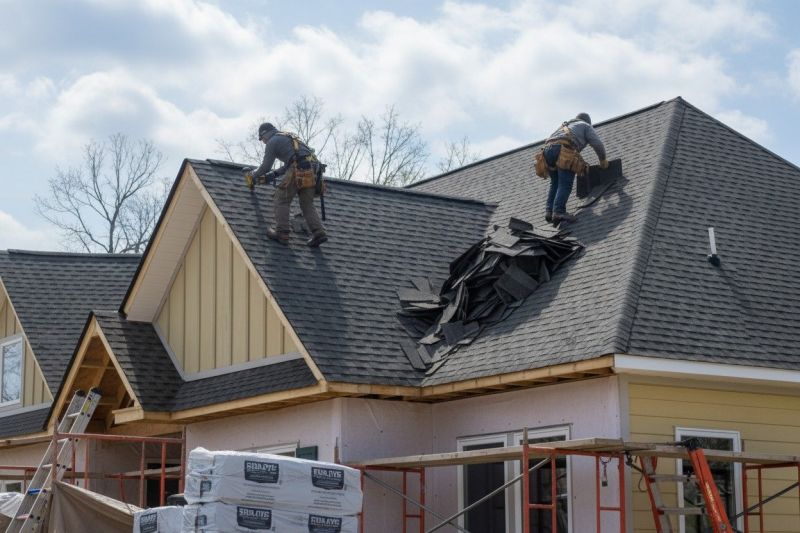
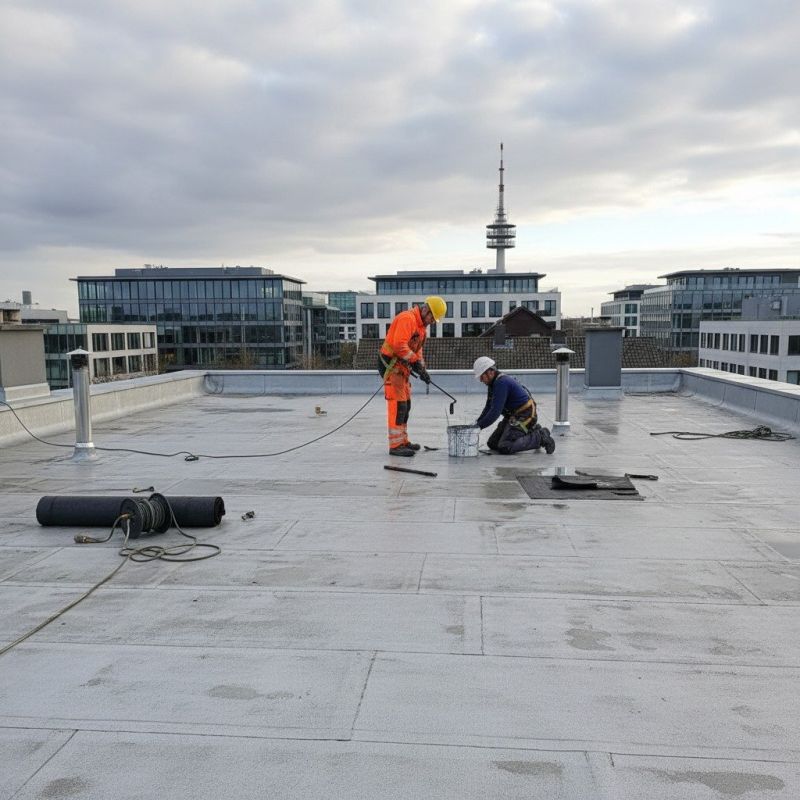
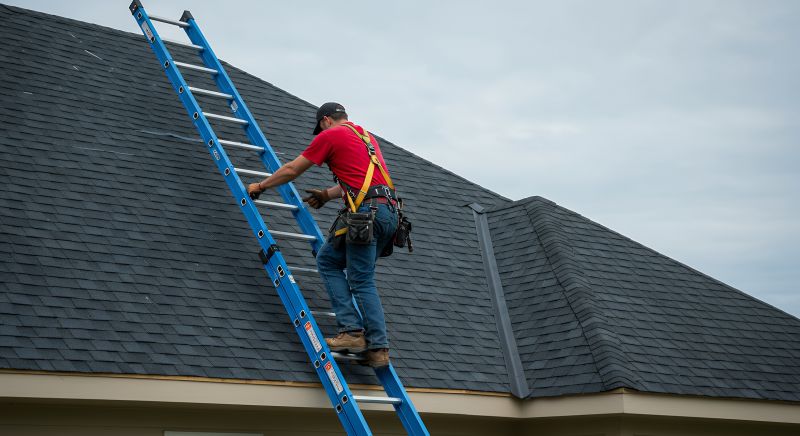
Use consistent comparison criteria across local contractors by clearly defining scope, verifying experience, and documenting expectations in writing.
- Scope Definition - Clearly specify the roofing work to be performed, including materials, areas, and any specific installation or repair requirements.
- Material Selection - Identify the types and quality of roofing materials to be used, ensuring they meet project needs and preferences.
- Work Standards - Outline the expected workmanship quality, installation practices, and any applicable industry standards for the project.
- Project Boundaries - Define the physical extent of the roofing work, including roof sections, penetrations, and related components to be addressed.
- Documentation and Expectations - Ensure all scope details are documented in writing to facilitate clear communication and agreement with service providers.
When comparing roofing contractors, it’s important to consider their experience with projects similar in scope and complexity. Service providers who have a history of handling roofing jobs comparable to the homeowner’s needs are more likely to understand the specific challenges and requirements involved. Asking for details about past projects that resemble the current job can help gauge their familiarity with different roofing materials, styles, and structural considerations. This insight can contribute to selecting a contractor with relevant hands-on experience, which often correlates with a smoother project process and satisfactory results.
A clear, written scope of work is essential when evaluating roofing contractors. This document should outline the specific tasks to be completed, materials to be used, and any other relevant details about the project. A comprehensive scope helps ensure that both parties have aligned expectations and provides a basis for addressing any misunderstandings early in the process. When reviewing proposals or estimates, it’s beneficial to compare how thoroughly each service provider describes the scope, as vague or incomplete descriptions can lead to miscommunication or unexpected issues later on.
Verification of a contractor’s credentials and track record involves more than just checking references. It’s advisable to inquire about the contractor’s experience with similar projects, ask for a list of completed jobs, and verify their reputation within the local community. Confirming that a service provider has a history of reliable work and satisfied clients can help reduce the risk of problems during or after the project. Additionally, ensuring that the contractor adheres to industry standards and best practices can contribute to a more predictable and successful roofing experience.
When evaluating options among local contractors, it’s important to consider how well each one’s approach aligns with the project’s needs. Review their experience, scope of work, and reputation, and ask clarifying questions to understand their methods and communication style. Comparing the level of detail in their proposals and the clarity of their scope can reveal their professionalism and attention to detail. By focusing on these aspects, homeowners can make informed decisions that lead to a well-executed roofing project, connecting with service providers capable of meeting their specific requirements.
Ask contractors to provide written scope details to ensure clear expectations and consistent project understanding.
- Experience and Expertise - What specific roofing experience and project types do the service providers have?
- Scope of Work - How do contractors define and document the full scope of roofing services included?
- Materials and Methods - What roofing materials and installation methods do the local contractors recommend and specify?
- Project Expectations - How do service providers clarify project deliverables, responsibilities, and completion criteria in writing?
- Comparison Criteria - What factors should be used to compare the qualifications and approaches of different roofing contractors?
How can I compare roofing contractors effectively? To compare roofing contractors, review their experience, verify references or reviews, and ensure they clearly define the scope of work in writing.
What should I look for when defining the scope of a roofing project? Clearly outline the specific work needed, including materials, areas to be covered, and any additional services, then confirm these details are documented with the contractor.
How do I verify a roofing contractor’s experience? Ask for details about their past projects, request references, and check for any relevant work history or portfolio that demonstrates their expertise.
Why is it important to have the project scope in writing? Having the scope documented helps prevent misunderstandings, ensures all parties agree on the work to be completed, and provides a reference for project expectations.
What questions should I ask a roofing contractor before hiring? Inquire about their experience, request clarification of the scope of work, and ask how they handle unexpected issues or changes during the project.
How can I ensure a roofing contractor is suitable for my project? Review their experience, verify their understanding of your needs through detailed discussions, and ensure the scope of work is clearly documented before proceeding.
This overview highlights the importance of carefully comparing local contractors for roofing projects. Visitors learned how to define the scope of work, verify experience, and set clear expectations in writing to help ensure the process aligns with their needs. Using the quote form allows for an easy way to connect with service providers who can handle the job, making it simpler to explore options and find the right match.
By utilizing the quote form, visitors can efficiently gather information and compare different local contractors specializing in roofing. This approach supports making informed decisions based on the details provided, helping to identify experienced service providers equipped to handle the specific requirements of the project.